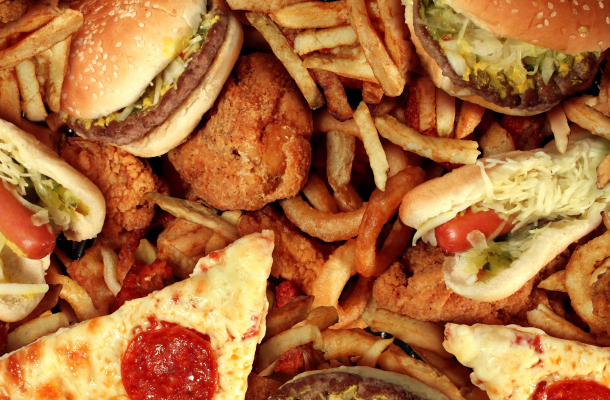
The Food and Drug Administration took a big step last week towards banning artificial trans fats from processed foods. Trans fats, which extend shelf life and affect texture in many foods, have been linked with heart disease.
FDA Tentatively Calls Trans Fats “Not Generally Recognized As Safe”
Trans fats have been a common ingredient in processed food since the 1950s, but last Thursday the FDA issued a Federal Register Notice on trans fats, stating that they are no longer “generally recognized as safe” (not GRAS). The Notice calls for scientific data and information on trans fats. If the Notice is finalized, trans fats will be phased out of processed foods.
The concern comes after several studies demonstrated the ill effects of trans fats on human health. The FDA cited a 2002 study from The National Academy of Science that found a correlation between intake of trans fats and increased levels of LDL, the so-called “bad cholesterol.” The Center for Disease Control estimates that avoiding trans fats could prevent 10,000-20,000 heart attacks and 3,000-7,000 deaths from heart disease every year.
The FDA Notice affects only artificially produced trans fats, the majority of which come from partially hydrogenated oils (PHOs). Some meat and dairy products contain naturally occurring trans fats, which are structurally different from the artificial kind.
A Ban on Trans Fats: A Long Time Coming?
Food manufacturers were urged to voluntarily disclose amounts of trans fats on nutritional labels by the FDA in 1999. Since 2006, they have been required to. (Only amounts of 0.5 grams trans fat per serving must be disclosed on the label. Many foods contain trans fat under this limit. If the words “partially hydrogenated” are found on the food label, the food contains trans fats.)
New York City Mayor Michael Bloomberg banned trans fats from New York restaurants in 2006, and since then more than a dozen cities have done the same. The restaurants complied “without too much fuss” and were able to find substitutes without adversely affecting taste or excessively raising costs. Restaurants and food manufacturers have already voluntarily been reducing trans fats in food, not wanting to be linked with trans fats.
The FDA Notice calls for input on how long it would take food manufacturers to eliminate the fats from food production. If the measure is finalized, foods produced with trans fats after the enforcement date will be illegal for sale in the U.S., unless the FDA grants them approval for use as a food additive.
5 Foods We’ll Miss Anyway
The flavor of many foods containing artificial trans fats, like margarines, ready frostings, microwave popcorn, and coffee creamers, will be easier to maintain with substitutes for trans fats. But in some cases, substitutions just won’t work. Trans fats are known to affect the texture of pastries and baked goods, giving the desired lightness and flakiness.
The general consensus is that there’s no safe level of artificial trans fats to consume. Still, forgetting health for a moment, some foods will be missed.
- Cinnamon Rolls. Fresh out of the oven, drizzled in white frosting… so artificial, but so delicious. Pillsbury Grands® Cinnamon Rolls contain 1.5 grams of trans fat per serving – a single roll.
- Doughnuts. For that light, flaky texture, most doughnuts need PHOs. Dunkin Donuts sells several varieties of doughnuts that meet the 0.5 grams/serving threshold.
- Breakfast sandwiches. Those buttery, flaky biscuits stuffed with eggs, sausage, and cheese come at a price. Burger King’s biscuit breakfast sandwiches have 0.5 g trans fat per serving.
- Crackers. Again, it’s all about the texture. Ritz Crackers contain small amounts of trans fat per serving, as do saltines.
- Cookies. Not just any cookies, but Girl Scout Cookies. The website says that certain varieties contain no trans fat at all, but several, including Thin Mints, Samoas, and Tagalongs, are made with PHOs, meaning they contain trans fats. Maybe they have less than 0.5 grams of trans fat per serving, but a serving of Thin Mints is just two measly cookies – when’s the last time you stopped at two?
Although still in the preliminary stages, the ban on trans fats is likely to go through. That means you have two options: start avoiding them now, or start stocking up.


